 Hormuz Crisis Sparks Market Fears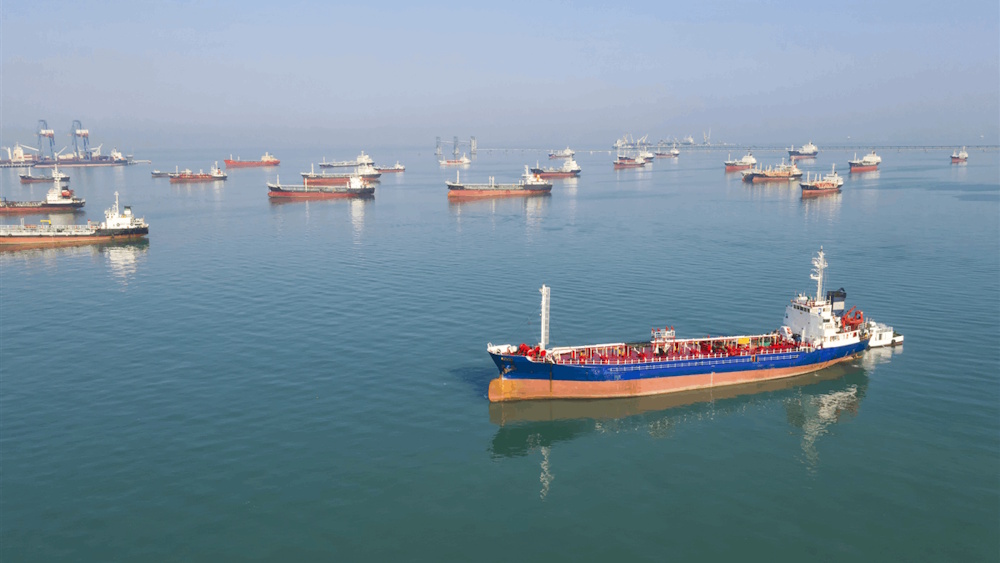
For several months, governments, businesses, and financial markets have regarded the disruption in the Strait of Hormuz as a transient crisis, one that would ultimately be resolved through diplomatic efforts or military de-escalation. Moody’s Ratings is now cautioning that a reevaluation of global perspectives may be necessary. A recent report indicates that the disruption to a critical energy shipping route is evolving from a temporary shock into a structural risk. This development has the potential to significantly alter global trade, energy markets, and economic planning for the foreseeable future, extending well past 2026. The warning signifies a change in perspective from previous evaluations that characterized the crisis primarily as a short-term supply interruption. Moody’s stated, “We now have a single, central scenario which assumes a prolonged and significant disruption to the Strait of Hormuz through autumn.” The Strait of Hormuz is responsible for approximately one-fifth of the global crude oil and liquefied natural gas flows, positioning it as one of the most vital trade chokepoints in the world.
However, the volume of shipping along the route has decreased by over 90 percent compared to pre-conflict levels, as insurers increase premiums, shipping companies steer clear of the area, and ongoing concerns regarding sea mines persistently hinder navigation. The ongoing conflict may capture significant media attention; however, Moody’s emphasizes that the more pressing concern lies in the potential consequences if the disruption persists for an extended period. This scenario may result in enduring increases in shipping expenses, elevated energy prices, decelerated trade movements, and the development of new supply chain strategies as businesses and governments adapt to sustained instability in the Gulf region. “Global shipping routes are being structurally rewired,” stated Moody’s. It was reported that nations are progressively seeking non-Gulf suppliers, exploring alternative pipeline routes, and engaging in regional trade systems to diminish dependence on the Strait. Moody’s has revised its forecast, anticipating that Brent crude prices will stabilize within the range of $90 to $110 per barrel for a substantial portion of this year, a notable increase from previous projections. For consumers, this may result in sustained pressure on fuel prices, airfares, transport costs, and inflation. “Persistently higher energy prices will lead to increases in inflation and production costs, limiting household purchasing power,” Moody’s stated.
Source cautioned that, irrespective of whether a ceasefire or political agreement is achieved, the restoration of normal conditions would require a considerable amount of time, as shipping backlogs, tanker repositioning, and insurance systems would necessitate months to reach stability. The report indicated that certain changes instigated by the crisis might remain permanent. Moody’s indicated that certain structural shifts in supply chain design, risk premiums, and defense spending are likely to be enduring. Industries that are significantly dependent on fuel and transportation are among the sectors most vulnerable should high oil prices persist. Moody’s has pinpointed airlines, chemicals, and building materials companies as experiencing the “most acute pressure” due to elevated operating costs and a constrained capacity to transfer increasing expenses to consumers. Consumer sectors such as retail, hospitality, and manufacturing may face pressure if households curtail spending due to increased living expenses. “Airlines, building products and chemicals face the most acute pressure,” Moody’s stated. Concurrently, certain sectors may find opportunities arising from the evolving landscape. Energy producers beyond the Gulf region, along with aerospace and defence firms, are anticipated to benefit from rising oil prices and heightened geopolitical tensions.
The report indicated that Asian economies continue to be among the most susceptible due to their reliance on energy imports from the Middle East. India has been recognized as one of the most vulnerable major economies, given that approximately 46 percent of its crude oil imports are sourced from the Middle East. Japan and South Korea exhibit significant vulnerability, even with substantial emergency reserves at their disposal. Meanwhile, China may encounter challenges regarding industrial profitability, notwithstanding its state-controlled pricing mechanisms and extensive stockpiles. “At sustained Brent prices of $90–$110/bbl, we estimate real GDP growth reductions of 0.2–0.8 percentage point for several major economies,” Moody’s stated. The Moody’s report conveys a significant implication: the global economy might not be anticipating a swift resolution to the Strait of Hormuz crisis any longer. Governments, businesses, and investors are increasingly bracing for the likelihood that disruption, elevated costs, and geopolitical risks in one of the globe’s critical trade routes may become a persistent feature of the global economic environment in the coming years.