 The Dubai gold price drops Dh7 per gram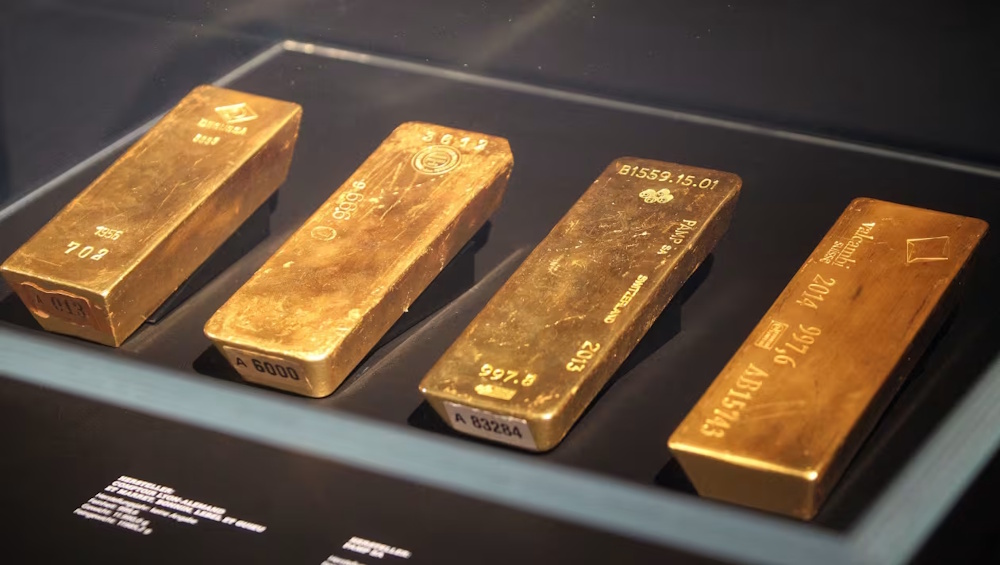
Gold prices in Dubai experienced a decline on Wednesday, providing a brief respite for jewellery purchasers. Yet the latest drop underscores an increasing challenge for UAE shoppers: the frequent fluctuations complicate the decision-making process regarding optimal purchasing timing. The Dubai gold rate for 24K decreased to Dh535.25 per gram, a reduction from Dh542.50 the previous day, reflecting a drop of Dh7.25 per gram. Other categories also experienced declines, with 22K decreasing to Dh495.50 per gram, 21K to Dh475.25, 18K to Dh407.25, and 14K to Dh317.75. For consumers planning wedding purchases, gold gifts, investment bars, or jewellery upgrades, the challenge has evolved beyond merely assessing whether prices are high or low. It is a question of whether the price observed today will appear appealing in the future. That uncertainty has emerged as a characteristic hallmark of the UAE gold market in recent weeks. Gold prices have exhibited significant volatility in recent weeks, responding to various factors including the ongoing conflict involving Iran, disturbances in oil markets, indications from central bank policies, and changes in investor sentiment. While buyers typically welcome a Dh7 drop in a single day, many remain hesitant due to recent trading patterns indicating that prices can swiftly reverse direction. A decline of Dh7 per gram can rapidly accumulate for more substantial acquisitions. A 10-gram purchase of 24K gold is priced more than Dh70 lower than the previous day, while purchasers of bridal jewellery or larger investment bars stand to save several hundred dirhams.
The recent downturn is indicative of a confluence of geopolitical events and overarching economic dynamics. Despite the resurgence of military operations throughout the Gulf region, there appears to be a notable lack of enthusiasm among investors for augmenting their investments in gold. “Gold traded modestly lower as markets continued to digest the latest developments across the Gulf region, including reports of warning sirens in Kuwait and Bahrain,” stated Ahmad Assiri. The reaction has thus far been unfavourable for gold, as investors exhibit minimal inclination to increase their exposure to the metal, even in light of the ongoing practical closure of Hormuz. Assiri instead insisted that market attention remains focused on the “broader macroeconomic environment, where a relatively firm US dollar continues to limit upside for the precious metal.” Assiri noted that geopolitical risks continue to hold significance, yet they are contending with other formidable market forces. The Middle East persists as a significant source of uncertainty, with the ongoing stream of headlines exerting influence on short-term market sentiment. “The repeated cycle of re-escalation and de-escalation has created a challenging environment for investors attempting to assess the true level of risk facing gold, energy markets and physical shipping routes.”
International gold prices faced downward pressure following US President Donald Trump’s optimistic remarks regarding the potential for an interim peace arrangement between Washington and Tehran, despite the prevailing hostilities. Spot gold declined by as much as 0.7 percent, trading close to $4,460 an ounce following a slight increase in the prior session. Investors seem to be assessing the potential for diplomatic advancements in contrast to the threat of increased tensions throughout the region. That balancing act has hindered gold from garnering the robust safe-haven demand typically observed during times of geopolitical uncertainty. Recent military developments have persisted in unfolding throughout the region. Reports indicated that Iran launched ballistic missiles toward Kuwait and Bahrain; however, the projectiles either disintegrated or were intercepted prior to reaching their intended targets. Meanwhile, US forces executed strikes on Iran’s Qeshm Island, as reported by US Central Command. Consequently, oil prices experienced an increase for the third consecutive session, with Brent crude trading above $97 per barrel.
For residents of the UAE, the developments surrounding the Strait of Hormuz hold particular importance, as this waterway serves as a crucial conduit for global energy shipments. Any disruption can directly influence oil prices, inflation expectations, and financial markets. The ongoing disruption to energy flows through the Strait of Hormuz has heightened global inflationary concerns. Elevated oil prices elevate transportation and production expenses, which may compel central banks to sustain restrictive monetary policies for an extended period beyond initial expectations. Such dynamics can sustain elevated inflation levels and complicate the trajectory for interest rates. For gold investors, this presents a nuanced scenario. Geopolitical uncertainty typically exerts upward pressure on prices; however, elevated interest rates frequently produce a countervailing effect.