 Gold Prices in Dubai Fall Following Midweek Surge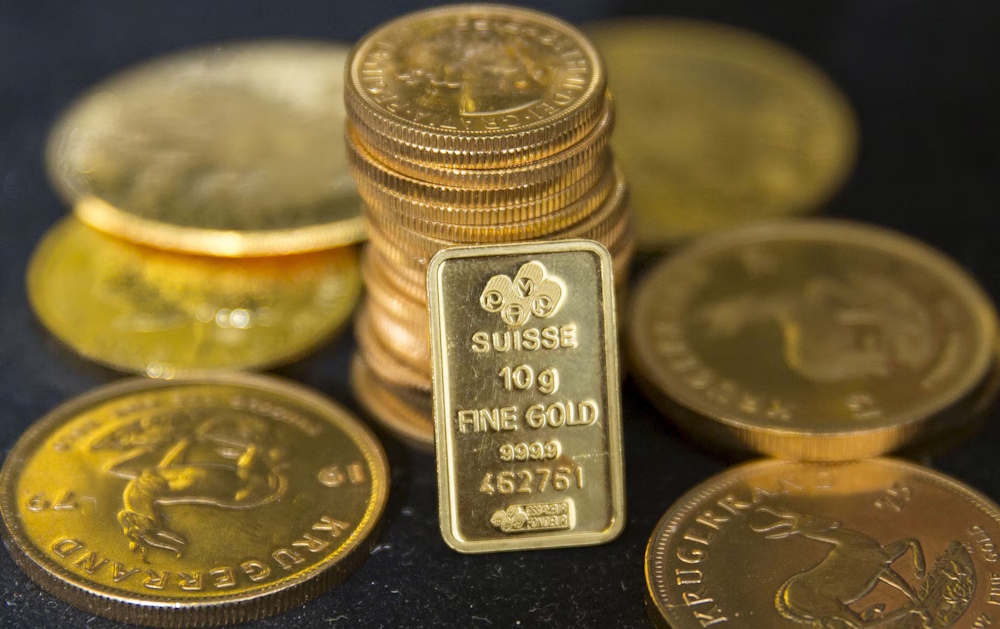
Dubai gold prices declined on Thursday morning, reversing the increase observed the previous day and providing consumers with a slight decrease in rates. The 24-karat variety was priced at Dh486.25 per gram at 9.25 am, reflecting a decrease of Dh3.50 from the previous day’s price of Dh489.75. The 22-karat variety experienced a decline of Dh3.25, adjusting from Dh453.50 to Dh450.25. Thursday’s decline positions 24-karat gold at Dh16.75 beneath its peak from July, while 22-karat gold is priced Dh15.75 lower than its highest point this month. Gold commenced July at Dh489.75 per gram for 24-karat and ascended past Dh500 by July 3, ultimately achieving a monthly peak of Dh503 on both July 4 and July 5.
The 22-karat variety exhibited a comparable trajectory, ascending from Dh453.50 at the onset of the month to a peak of Dh466 in July. Prices subsequently declined, with 24-karat gold decreasing to Dh483.50 on July 13 and 22-karat gold falling to Dh447.75. Both varieties experienced a rebound over the subsequent two days before relinquishing a portion of those gains on Thursday. In comparison to the start of July, the price of 24-karat gold has decreased by Dh3.50 per gram, whereas the 22-karat rate has fallen by Dh3.25. A buyer acquiring 10 grams of 24-karat gold would incur a cost that is Dh35 lower than the price on Wednesday and Dh167.50 lower than the monthly peak, prior to the addition of jewellery-making charges and taxes.
International gold prices experienced a decline following the United States’ completion of its latest round of strikes on Iran, which has intensified concerns regarding the conflict and its potential repercussions on energy prices and inflation. Bullion declined by as much as 0.9% to approximately $4,025 an ounce following US President Donald Trump’s commitment to escalate military actions until Tehran ceased its assaults on vessels in the Strait of Hormuz and consented to the reopening of the waterway. The interim peace agreement signed last month has largely deteriorated, while oil prices experienced an increase for the fourth consecutive day on Thursday. Elevated oil prices may sustain inflationary pressures and impact the interest-rate decisions of the US Federal Reserve, thereby exerting pressure on gold, as the metal lacks the provision of regular income for investors.
Gold has maintained proximity to $4,000 an ounce in recent weeks following a 14% decline during the second quarter, marking its weakest quarterly performance since 2013. The decline followed expectations that the Federal Reserve might increase interest rates to manage inflation driven by the conflict and elevated energy prices. US producer price inflation data released on Wednesday was softer than anticipated, indicating that underlying price pressures had diminished prior to the recent escalation in the Middle East. The reading may provide the Federal Reserve with additional time to evaluate the economy, although a persistent increase in energy prices could complicate that perspective. Federal Reserve Chairman Kevin Warsh has stated that interest rates continue to be one of the instruments at policymakers’ disposal to manage inflation, while suggesting that there is room for patience before determining the next course of action.