 Dubai has 10+ new food enterprises daily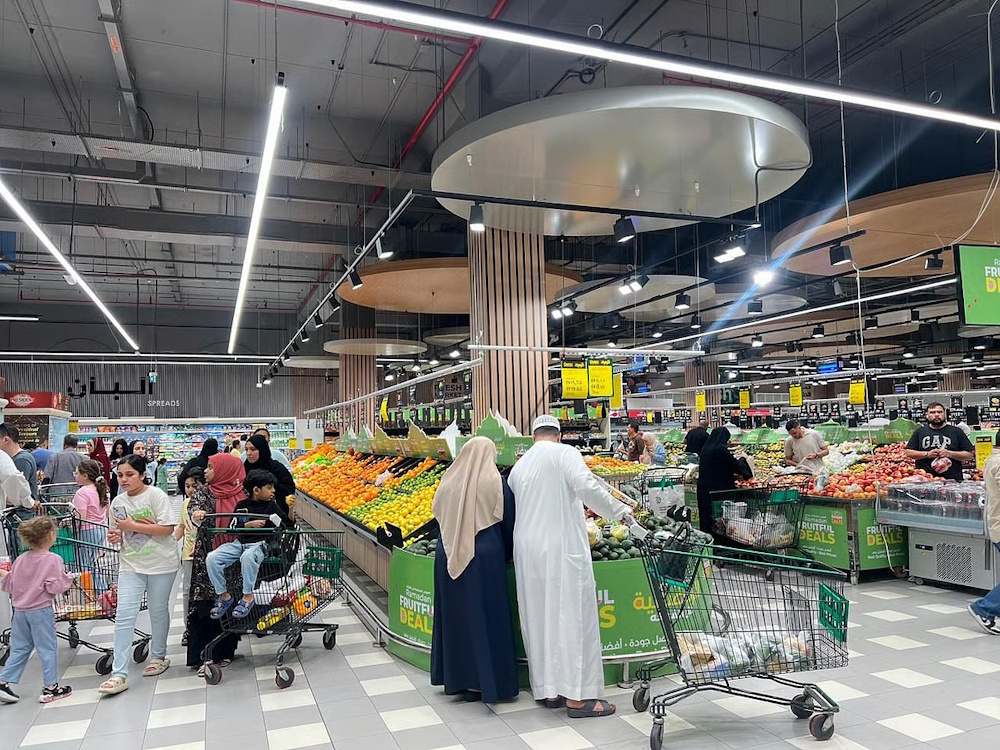
Dubai’s food sector has demonstrated robust growth in the first half of the year, with the establishment of 1,898 new food businesses throughout the emirate. This figure translates to approximately 316 new establishments monthly, or an impressive rate of 10.5 openings each day, as reported by Dubai Municipality. The latest figures indicate that the total number of food establishments in Dubai has reached 29,303, demonstrating ongoing expansion in one of the emirate’s rapidly growing sectors, as reported by the source. In conjunction with the rise in business activity, Dubai Municipality conducted 31,563 inspections over a six-month timeframe to verify that food establishments adhered to health regulations and met approved safety standards.
The municipality stated that the inspections are integral to its continuous initiatives aimed at protecting public health, upholding elevated food quality standards, and fostering a sustainable food ecosystem for both residents and visitors. Dubai experienced significant growth in food imports, with 144,063 food consignments arriving in the emirate via its sea, air, and land ports during the first half of the year. These shipments included 193,955 food containers and approximately 840,400 imported food products, underscoring Dubai’s role as a central player in the regional food trade. The municipality stated that imported food consignments are subject to a thorough risk-based inspection system that initiates prior to the arrival of shipments in Dubai and persists after they are permitted into the local market.
Prior to arrival, food products undergo evaluation and approval in their country of origin to ensure compliance with UAE food standards. Importers are required to submit advance electronic notifications, accompanied by documentation such as health certificates, halal certificates for meat products, certificates of origin, and shipment details. Upon arrival at Dubai’s entry points, inspectors conduct a thorough verification of documentation, assess the physical condition of consignments, monitor transport temperatures, evaluate storage conditions, scrutinise product labelling and expiry dates, and gather samples for laboratory testing, all in accordance with the product’s risk profile and country of origin.
Oversight persists following clearance via standard market inspections and random product sampling to guarantee that imported food stays compliant and safe for consumers. Dubai Municipality noted that its smart inspection system empowers inspectors to perform and record inspections via desktop computers, smartphones, and tablets, facilitating the submission of reports directly from inspection locations. The platform additionally facilitates geographically driven daily inspection schedules and adaptable digital checklists encompassing a broad spectrum of food-related activities, thereby enhancing operational efficiency and optimising the allocation of inspection resources.