 Dubai gold prices surge once more following a turbulent July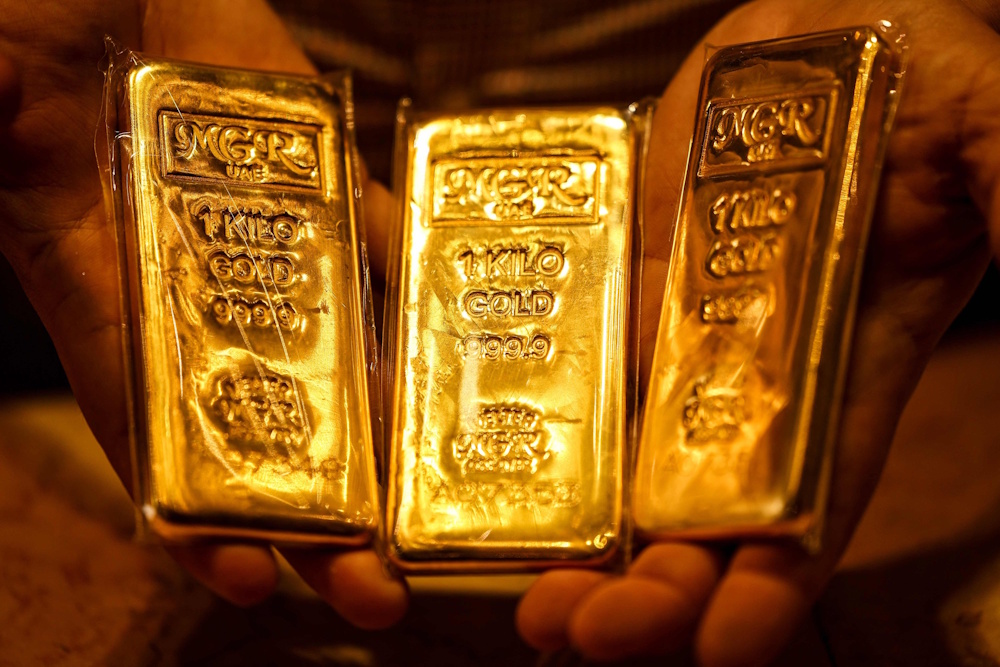
Gold prices experienced an uptick on Monday morning, resulting in increased costs for jewellery purchasers following a period of stability over the weekend. The 24-karat variety was priced at Dh488.50 per gram at 8.17 am, reflecting an increase of Dh1.25 from Dh487.25 on Sunday. Meanwhile, the 22-karat rate rose by Dh1 to reach Dh452.25, up from Dh451.25. Dubai gold rates commenced August at Dh487.25 for 24K and Dh451.25 for 22K, maintaining these levels over the weekend prior to an increase on Monday. In comparison to July 31, the 24K rate has increased by Dh3.25 per gram, whereas the 22K variety has appreciated by Dh3 per gram in the initial three days of August.
July experienced significant fluctuations, with 24K gold priced at Dh503 per gram on July 5, subsequently declining to Dh481.50 on July 16 and 17. The rate rebounded to Dh500.75 on July 22; however, it subsequently declined in the latter part of the month, concluding July at Dh485.25. The 22K variety exhibited a comparable trajectory, declining from Dh466 per gram on July 5 to Dh446 on both July 16 and July 17. It subsequently rose to Dh463.75 on July 22 before concluding the month at Dh449.25. Gold experienced an uptick in global markets following remarks from US President Donald Trump, who indicated that new negotiations with Iran would commence later on Monday. This development has heightened expectations for advancements in the ongoing conflict and a potential alleviation of inflation driven by energy costs.
Bullion was trading at approximately $4,070 an ounce following a 1% gain in July, representing its first monthly increase since February. Trump stated that he had called off a significant military operation against Iran following recommendations from Middle Eastern allies, notably Saudi Arabia, who advised him to seek a diplomatic resolution instead. Benchmark Brent crude experienced a decline exceeding 7% during the Asian trading session on Monday morning. Traders are closely observing the Federal Reserve following a report indicating that Chairman Kevin Warsh is contemplating a reduction in the frequency of policy meetings.
Such a move would signify a significant shift for the US central bank, which presently convenes eight times annually and recently voted 9-3 to maintain the current interest rates. Three officials who opposed the decision cautioned that postponing action might ultimately necessitate more forceful policy measures, as the central bank remains under pressure to manage inflation. Gold has experienced a decline of over 20% since the onset of the US-Iran conflict more than five months ago. Rising energy costs have exacerbated inflation worries and heightened the probability of sustained elevated interest rates, which negatively impacts precious metals as they do not provide interest income.