 UAE Fuel Prices Move Closer to Pre-Conflict Levels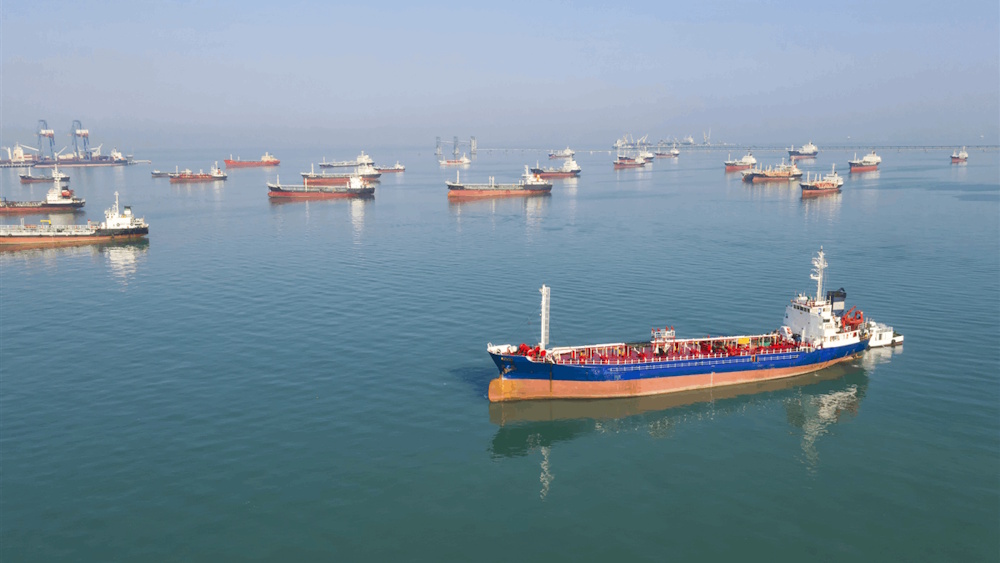
UAE fuel prices are beginning to align with pre-conflict levels as international oil markets stabilise following months of remarkable volatility induced by the Middle East conflict. Brent crude has declined by approximately 30% from its conflict peak exceeding $120 a barrel, enhancing the outlook that UAE fuel prices may continue to moderate if lower oil prices persist. Despite the recent decline, Brent remains approximately 15%-20% above the low-$70 range observed prior to the onset of the conflict, indicating ongoing uncertainty regarding Gulf energy supplies and the Strait of Hormuz, a critical passage for roughly 20% of global seaborne oil trade. For UAE motorists, the recent decline in oil prices indicates a positive shift in market conditions. However, the extent of future fuel price reductions will remain closely tied to the developments in international oil markets. The comparison illustrates the significant rise in international crude prices amid the conflict, succeeded by the gradual easing observed in recent weeks. The UAE employs a market-linked fuel pricing mechanism that was introduced in 2015. Under this system, retail fuel prices are assessed monthly based on average international crude oil and refined fuel prices.
Consequently, local pump prices align more closely with overarching market averages instead of the daily variations observed in crude oil prices. This approach indicates that persistent fluctuations in international oil prices are incrementally incorporated into the monthly adjustments of fuel prices. Global oil markets have exhibited increased stability in recent weeks, although volatility persists at levels elevated compared to the pre-conflict period. Oil prices experienced a decline exceeding 6% on Monday following statements from US President Donald Trump regarding his preparations for renewed discussions with Iran, which are intended to address the ongoing conflict in the Middle East. On Tuesday, Brent crude experienced a rebound of nearly 2%, reaching approximately $85 a barrel, thereby partially offsetting the losses incurred in the previous session. As expectations of renewed diplomatic engagement alleviated immediate concerns regarding global oil supplies, confidence increased that energy markets were progressively transitioning beyond the significant supply disruptions experienced earlier this year.
Whether global energy markets continue to strengthen will determine the prognosis.
1. The price of oil must stay low
A considerable decline from the highs set earlier this year has already been witnessed in Brent crude. The UAE gasoline price index will be more accurately reflecting falling crude prices when those prices stay low enough to impact the pricing averages used each month.
2. Improvements in global supply must be sustained.
As a result of the most recent OPEC+ production rise, more oil is likely to reach global markets. If production were to increase and exports were to rebound, the pressure on global crude prices would be relieved.
3. A more secure region surrounding the Hormuz Strait
In his most recent remarks, President Trump mentioned the Strait of Hormuz, the passage through which about 20% of the world’s maritime oil trade flows. Global energy supply would be bolstered and price volatility reduced if shipping conditions along the route were to improve consistently.
While the overall trajectory has improved, ambiguity persists. Iran has refuted claims that discussions with the United States are in progress, notwithstanding President Trump’s remarks. Oil markets are responding swiftly to developments that impact Gulf shipping and regional energy infrastructure. Any renewed disruption to exports or shipping routes may impede the trajectory of normalisation in global crude prices. The recent decline in oil prices indicates a more balanced global energy market following months of significant volatility, although uncertainty persists. The UAE’s market-linked fuel pricing mechanism will persist in mirroring these international trends, with ongoing fluctuations in crude prices progressively influencing local pump prices.
If oil prices continue to ease, the effects of OPEC+ production increases will manifest, and stability across key Gulf shipping routes will improve, leading UAE fuel prices to potentially approach pre-conflict levels in the coming months. Brent’s fluctuation between $72 and $102 a barrel in the past month highlights the rapid changes in sentiment that can occur in response to evolving geopolitical circumstances. Consequently, the rate of additional fuel price decreases will hinge on ongoing enhancements in global supply dynamics rather than transient fluctuations in crude prices.