 Dubai Gold Prices Hit Two-Month High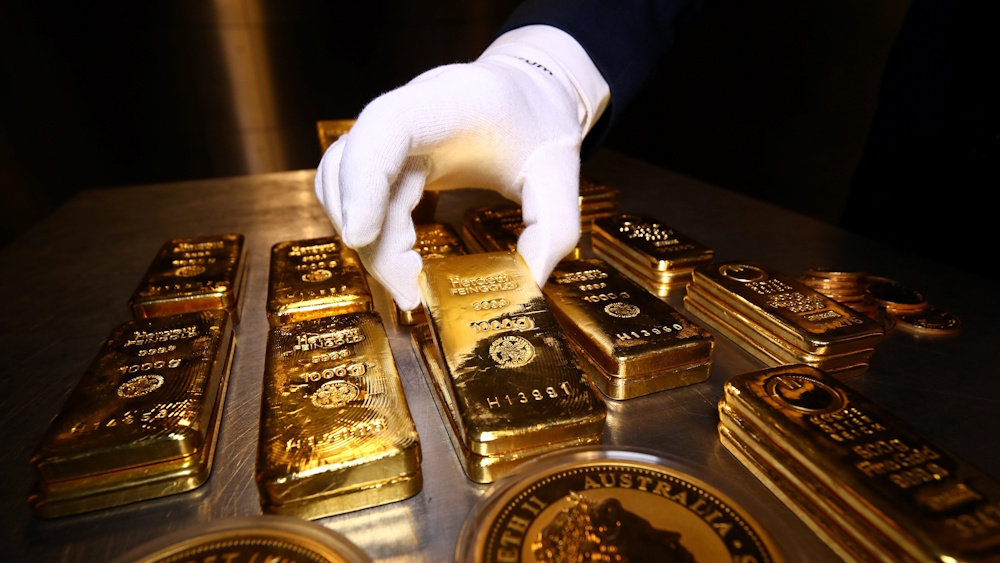
Dubai gold buyers are encountering the highest rates in over two months, as prices have continued a swift rebound throughout August. On Tuesday, the price of 24-karat gold reached Dh531.25 per gram. The 24K rate increased by Dh3, rising from Dh528.25 on Monday, while the 22K gold also saw a similar increase, moving from Dh489 to Dh492. Tuesday’s move elevates 24K gold to its peak since June 4, when it was recorded at Dh538.50, based on the 90-day price data. The latest rate is also Dh45.75 higher than the Dh485.50 recorded on August 3. The 22K variety has exhibited a comparable trajectory, ascending from Dh449.50 on August 3 to Dh492 on Tuesday, marking an increase of Dh42.50. The recent rise marks a significant recovery in Dubai gold rates, as 24K remained under Dh500 for a substantial portion of July. Prices decreased to Dh481.50 on July 17, subsequently rebounding to Dh500.75 by July 22, before declining again to Dh485.25 by July 31. The pace of the rebound accelerated in August, with 24K rising from Dh492.25 on August 4 to Dh514 on August 5 and reaching Dh523.75 by August 7. It reached Dh528.25 on Monday before increasing to Dh531.25 on Tuesday. Despite the recent gains, the current 24K rate remains below the 90-day high of Dh563.75 recorded on May 14.
The increase in prices in Dubai is a reflection of the recent resurgence in international bullion, which surpassed $4,400 an ounce, reaching a two-month peak on Tuesday. Gold experienced an increase of up to 1% during the session, following a rise of 3.6% over the preceding two trading days. Buying gained momentum after bullion moved above its 100-day moving average on Monday, while recent demand has also been supported by dip-buying and increased inflows into gold-backed exchange-traded funds in China. Ahmad Assiri, Research Strategist at Pepperstone, indicated that the recent movement was primarily influenced by a resurgence in investor flows and a shift in market sentiment following a phase of comparatively narrow trading ranges. “Gold prices moved higher in early session trading beyond $4,400 an ounce range, with the latest move appearing to be driven primarily by renewed flows into the metal and a notable shift in the metal market sentiment,” Assiri said. He added that investors seemed to be increasing their exposure to gold, facilitating a relatively swift recovery in prices, while geopolitical developments continued to influence the broader market context.
Assiri noted that tensions surrounding the Strait of Hormuz and the prevailing uncertainty regarding the broader US-Iran situation persist in influencing markets. However, the recent fluctuations in gold prices indicate that investor flows are exerting a more significant impact. “However, the magnitude of the latest gold move suggests that flows are currently having the greater influence on prices,” he said. “If this change in sentiment continues to attract further flows, it could remain an important factor in determining whether gold can consolidate around $4,400 and potentially extend the recovery towards higher levels.” Central bank purchases have provided support to bullion in recent weeks, enabling gold to maintain its position above the $4,000-an-ounce level following earlier weakness. Attention is now focused on the upcoming US consumer price inflation figures scheduled for release on Wednesday, which may impact expectations regarding the Federal Reserve’s subsequent actions concerning interest rates. The inflation reading follows weaker US employment data released last week and occurs as Federal Reserve policymakers continue to evaluate whether borrowing costs need to increase further to steer inflation back toward the central bank’s 2% target.
Elevated interest rates can exert downward pressure on gold, as the asset does not yield interest. Conversely, anticipations of reduced borrowing costs may enhance the appeal of bullion to investors. Geopolitical developments are under scrutiny following US President Donald Trump’s firm stance on Iran on Monday, which has diminished hopes for an agreement that might facilitate the reopening of the Strait of Hormuz and potentially resolve the protracted conflict. Assiri noted that Brent crude was trending toward the upper $80s per barrel, while oil continued to be more directly influenced by events in the Strait of Hormuz. “As of now, the two markets are reacting to the same broader environment that gold is being driven primarily by strong flows and a notable improvement in sentiment, while oil remains more closely tied to headline risk,” he said.