 Dubai rates fall as oil surges past $100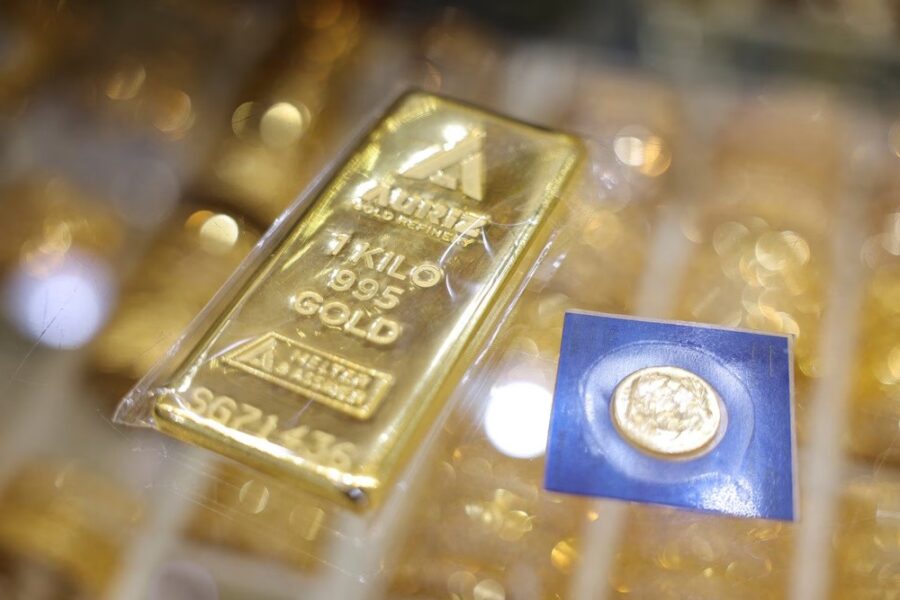
The adjustment was slight for consumers, with 24K gold priced at Dh522 per gram, a decrease from Dh522.50 at the close on Thursday, while 22K gold fell to Dh483.50 from Dh483.75. The Dubai market was influenced by a decline in the international gold price, with gold priced at approximately $4,347.47 per ounce, reflecting a decrease of 0.42 percent. The precious metal is on track for its third consecutive weekly decline, even as it managed to recover some ground on Friday. Spot gold experienced a decline of nearly 2 per cent for the week, as reported, amid market considerations of increasing energy prices, inflationary pressures, and anticipations regarding US interest rates. Oil is introducing a new layer of complexity for gold investors and consumers in the UAE. Brent crude was trading close to $108 a barrel, and was on course to finish the week above $100 for the first time since mid-May. Increased oil prices have the potential to contribute to overall inflation by elevating costs associated with transportation, production, and various other expenses.
Such circumstances may complicate the ability of central banks to implement rate cuts or to advocate for additional rate hikes. “Renewed price pressures, partly driven by elevated energy costs, reinforcing concerns that inflation could remain persistent,” said Manav Modi. Gold’s upcoming significant challenge lies in the forthcoming US consumer inflation data, set to be released later on Friday. The US Producer Price Index increased by 0.4 percent in August, building on a revised rise of 0.1 percent in July. The robust producer-price data led traders to heighten their expectations for elevated US interest rates, thereby exerting downward pressure on gold prices. “A stronger-than-expected reading would reinforce the case for several interest rate increases, potentially pushing Treasury yields and the dollar higher and placing additional pressure on gold,” said Wael Makarem.
Gold does not generate interest income, thus elevated bond yields can diminish the appeal of the metal in relation to interest-bearing investments. Geopolitical tensions are offering a degree of support for gold, despite the pressures exerted by inflation and interest-rate expectations on prices. The Houthis have taken control of Yemen’s port city of Mocha and have made progress along the Red Sea coast toward key islands. The broader conflict has sustained elevated oil prices, presenting a challenging environment for markets. Increased energy costs may elevate inflation expectations, which could bolster gold’s role as an inflation hedge. However, this scenario may also reinforce the argument for higher interest rates, presenting a downside for the metal. “While gold is known as an inflation hedge, rising interest rates often pressure the metal, which offers no yield,” source reported.
The larger inquiry for consumers pertains to the future trajectory of gold prices. That will depend heavily on US inflation data, the path of Federal Reserve policy, the dollar, and the trajectory of oil prices as tensions in the Middle East continue. Silver faced downward pressure throughout the week, even as it experienced a 0.6 percent increase on Friday, reaching $63.93 per ounce. Platinum increased by 1.2 percent, reaching $1,798.63, whereas palladium saw a rise of 1.4 percent, climbing to $1,299.91. Both platinum and palladium were on track for weekly declines.