 Gold Eases from Highs as Dollar Ticks Up Ahead of US CPI
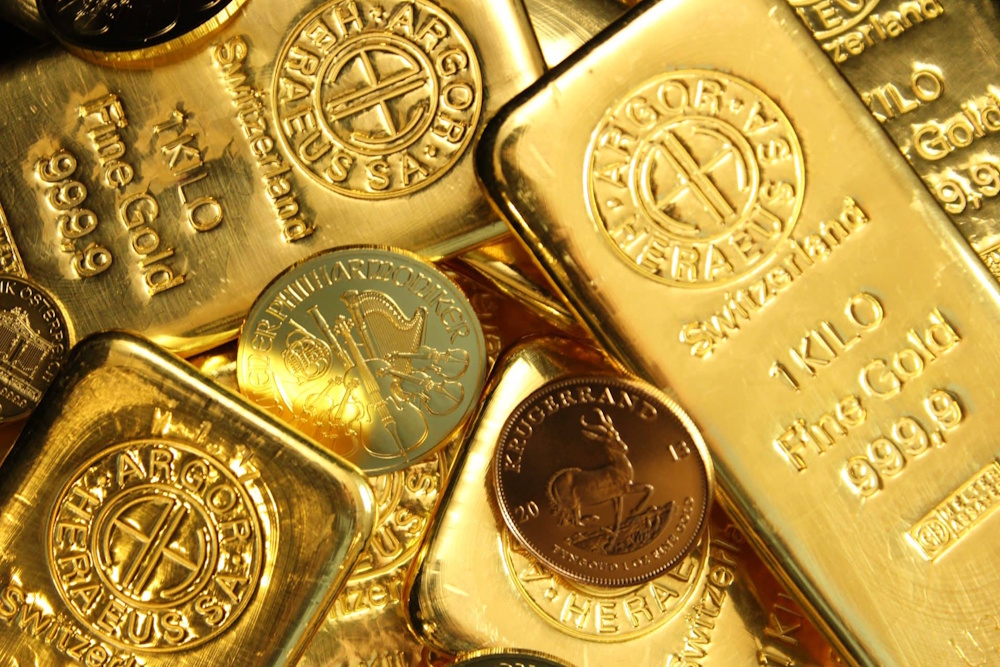
Gold prices declined on Tuesday as investors trimmed their positions after a recent rally, with focus turning to forthcoming US consumer inflation data and its potential impact on Federal Reserve monetary policy. The decline in spot bullion occurred concurrently with a moderation in oil prices and a slight uptick in the value of the US dollar. At 00:57, spot gold experienced a decline of 0.4%, reaching a price of $4,122.96 per ounce. US gold futures, however, advanced 0.4% to $4,131.34 per ounce. The movements followed a 1.7% increase in bullion on Monday and a weekly gain of approximately 5%, which had brought prices close to $4,130 per ounce.
Other precious metals exhibited a varied performance in price movements during the initial trading session. Silver fell 0.3% to $53.2770 per ounce, while platinum increased 0.3% to $1,583.61 per ounce. Spot palladium increased by 0.3% to $1,043.34 per ounce, while US palladium futures saw a rise of 0.1% to $1,038.50. Meanwhile, the US Dollar Index increased by 0.01% to 101.68. The dollar’s movement continued to hold significance for precious metals, as gold is internationally priced in US currency. A weaker dollar generally reduces the cost of purchasing bullion for investors using other currencies, while a stronger dollar can make gold relatively more expensive.
Gold’s recent gains coincided with a drop in crude oil prices, as investors reevaluated the geopolitical risks associated with the United States and Iran. Brent crude traded around $92 per barrel amid expectations that diplomatic discussions could yield advancements in resolving the conflict. The shift in market sentiment occurred subsequent to the US midterm elections, which culminated in Democratic dominance in Congress. Declining crude prices have prompted a reevaluation of inflation expectations, especially as energy costs influence transportation, manufacturing, and household spending. Gold and oil have often exhibited divergent movements throughout the year, illustrating the impact of energy prices on expectations surrounding monetary policy.
Elevated oil prices can drive inflation by raising operational costs across various sectors of the economy. When energy-related inflation escalates, central banks might react by upholding stringent monetary policies or raising interest rates. Such measures can influence the demand for gold, given that bullion does not yield regular interest income. Higher yields on bonds and other interest-bearing instruments can elevate the opportunity cost associated with holding the metal.