 Hormuz Crisis Drives Oil Market into the Red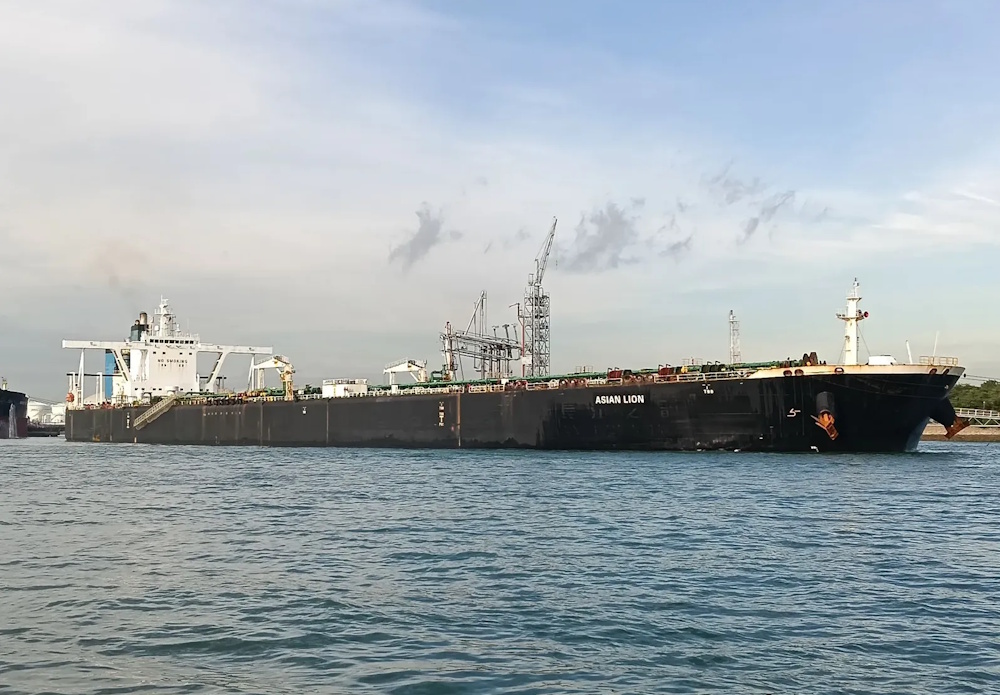
The world may face a perilous oil supply crisis as the extended closure of the Strait of Hormuz depletes emergency reserves and shakes global energy markets, warns the head of the International Energy Agency. With the US-Israeli war with Iran now in its fourth month, Fatih Birol warns that global oil markets may enter a “red zone” by July or August if supply recovery falters and tanker traffic through Hormuz stays severely limited. The Strait of Hormuz, a crucial maritime chokepoint for one-fifth of the world’s oil and gas, has been effectively closed since Iran halted traffic after US-Israeli strikes in late February. At Chatham House in London, Birol stated that the only true solution to the crisis is the “full and unconditional” reopening of Hormuz, as reported by various media outlets. He cautioned that repairing damaged production and refining infrastructure in West Asia could take months, or even over a year, even if tensions subside.
Birol wasn’t exactly forecasting skyrocketing oil prices, but the warning does imply that risk. He described a scenario where global supply buffers are dangerously thin, leaving markets unable to handle more shocks. Countries are depleting emergency reserves as demand stays high, raising the risk of shortages, price volatility, and economic turmoil. Since March, the IEA and its members have released about 400 million barrels from strategic reserves to stabilise markets—over twice the emergency release during Russia’s 2022 invasion of Ukraine. Birol suggests the Hormuz crisis is causing even greater disruption, reports indicate. About 14 million barrels per day have been taken off global markets due to the conflict, marking one of the most significant energy disruptions in recent history. Brent crude, the global oil benchmark, is now trading over $100 per barrel, a significant rise from its pre-war level of around $72. Analysts caution that prices may soar past $120 if hostilities restart or if shipping through Hormuz stays heavily limited into July.
Fuel prices soar in Asia, Europe, and Africa as airlines face skyrocketing jet fuel costs this summer. Aviation fuel prices soared in India during April and May, leading Delhi and Mumbai authorities to cut taxes to shield travellers from rising fares. Petrol prices in the U.S. soared to record highs earlier this year. On Thursday, US President Donald Trump declared that Washington had “total control” of the Strait of Hormuz via its naval blockade. “Our blockade gives us complete control over the Strait of Hormuz.” “Iran won’t acquire a nuclear weapon, or we’ll take drastic action,” Trump stated at the White House. Tehran is reportedly considering transit fees for vessels in the strategic waterway, while Washington maintains that the strait should remain open without any restrictions or charges.
Ceasefire in April, but talks still stuck. The US insists Iran must give up its enriched uranium and dismantle its nuclear program, while Tehran seeks relief from sanctions and compensation for war damages. Energy analysts warn that even minor hostilities, especially strikes on oil facilities, ports, or shipping, could send shockwaves through strained global markets. Even with Hormuz reopening now, experts caution it may take weeks or months for supply chains, insurers, and shipping firms to stabilise completely.