 Oman-Iran Talks: A New Chapter in the Hormuz Crisis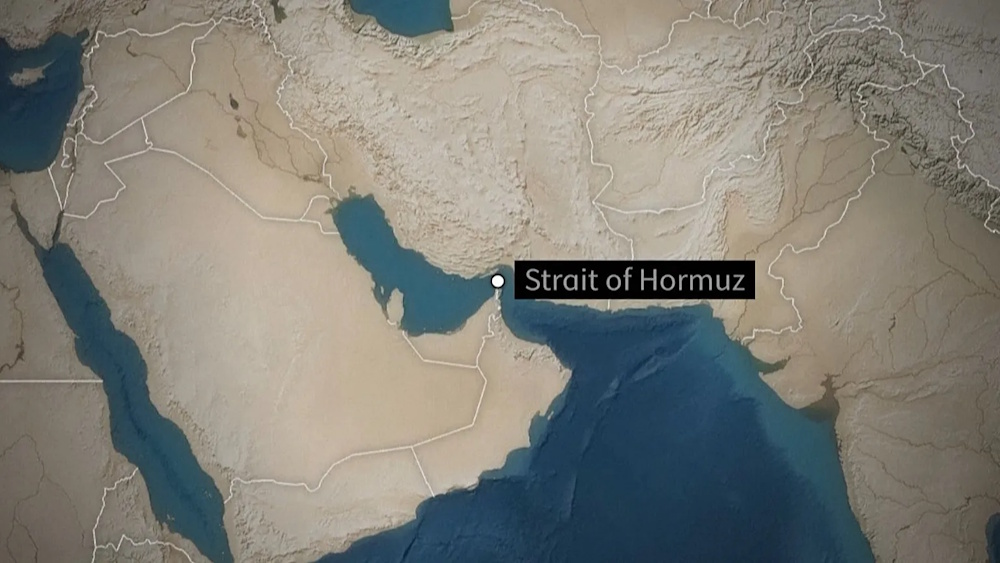
Iran’s reported discussions with Oman regarding a potential payment system for vessels traversing the Strait of Hormuz are prompting renewed enquiries into whether Tehran aims to transform its wartime leverage over this vital energy corridor into enduring strategic influence. That signifies a potentially significant transition in the Hormuz crisis — from the transient interruption of shipping routes amid conflict to potential efforts to establish control, management, and revenue generation in one of the globe’s most strategically critical waterways. The UAE has firmly rejected any efforts to impose transit fees on vessels navigating the Strait of Hormuz, as Gulf states and the United States ramp up diplomatic initiatives at the United Nations to protect freedom of navigation in this crucial maritime route. During a briefing in New York regarding a joint Gulf-US draft resolution related to Hormuz, Mohamed Abushahab articulated the UAE’s opposition to any charges imposed on vessels navigating the waterway. “We reject the imposition of any fees for passage through the Strait of Hormuz.” He stated “These international maritime corridors must not be subjected to extortion.” Abushahab further alleged that Iran has been involved in the placement of mines and continues to present threats to maritime activities in the strait.
It remains uncertain whether the discussions between Iran and Oman will yield any tangible agreement. However, the discussions seem to indicate that the United States and Iran remain distant from resolving a conflict that has significantly harmed the global economy, despite the persistent assertions to the opposite by US President Donald Trump. Since the US-Israeli strikes on Iran in late February, Tehran has significantly curtailed commercial traffic through Hormuz, leading to disruptions in global shipping and a surge in energy prices. As Iran’s influence over global energy markets expanded, officials increasingly deliberated on strategies to sustain control over the vital waterway and potentially monetise it. In light of the ongoing discussions with Oman, Iran’s newly established authority tasked with overseeing the strait has announced that it has “defined the boundaries” of a Hormuz “management supervision area,” indicating that vessels will now require permits to navigate through this region. In comments to Bloomberg, Iranian Ambassador to France Mohammad Amin-Nejad stated that Iran and Oman need to “mobilise all their resources” to ensure security services and oversee navigation through the strait. “This will entail costs,” he said, adding that countries benefiting from the maritime corridor “must also pay their share.” Amin-Nejad stated that any potential system would exhibit transparency.
According to the report, Iranian officials have deliberated on a framework whereby vessels navigating through Hormuz would incur charges associated with maritime services and traffic management, as opposed to conventional transit tolls. Iranian authorities have reportedly characterised the proposal as compensation for “services” — a distinction that may hold significant implications under international maritime law. Oman’s reported involvement has garnered interest due to Muscat’s historical alignment with Western powers, alongside its role as a neutral mediator in the region. Oman has often served as a diplomatic conduit between Tehran and Washington amid times of heightened tension, including during previous nuclear negotiations. Its geographic position also provides a direct interest in maritime security in the vicinity of Hormuz. The Gulf of Oman is situated next to the strait and constitutes a significant portion of the primary shipping route into the waterway from the Arabian Sea. Analysts indicate that the discussions underscore the increasing regional and economic significance of prospective agreements related to shipping and navigation through Hormuz.
The legal distinction between a fee and a toll is pivotal to the ongoing discourse. Under the 1982 United Nations Convention on the Law of the Sea, ships are assured the right of transit passage through international straits without interference, contingent upon adherence to established safety and environmental regulations. Although Iran has not formally signed the convention, numerous principles within it are broadly considered to be binding customary international law. Legal experts indicated that imposing charges on ships merely for transiting through Hormuz would almost certainly provoke international dissent. However, fees associated with particular maritime services — including navigation support, environmental monitoring, or traffic coordination — may occupy a more legally defensible grey area if designed with precision. One maritime law expert likened the concept to “protection money,” cautioning that any effort to mask transit tolls as service fees would encounter significant examination. US President Donald Trump has consistently dismissed the notion of an Iranian-controlled payment system in Hormuz. “We want it free,” Trump stated at the White House this week. “It is classified as an international waterway.” US Secretary of State Marco Rubio also cautioned that levying fees on international shipping would hinder efforts to achieve a diplomatic resolution with Tehran.
The discussions highlight the significant distance between the two parties, even in light of the tenuous ceasefire established on April 8. Washington maintains that Iran must relinquish its enriched uranium stockpile and dismantle critical components of its nuclear program. In contrast, Tehran is calling for sanctions relief, compensation, and assurances against future assaults. For several months, the Hormuz crisis has centred on military threats, naval deployments, and concerns regarding potential supply disruptions. However, recent developments indicate that a more extensive strategic competition may be taking shape — one that focuses not only on security but also on who will ultimately have the authority to regulate, manage, and benefit from the global energy flow through the strait. That raises a more profound inquiry for global powers and energy markets: if commercial traffic fully resumes in Hormuz, will the waterway merely reopen, or will it do so under a new equilibrium of power influenced by the conflict? Currently, the world’s most vital energy conduit is ensnared in a web of diplomacy, naval influence, and a progressively intricate contest for dominance over international trade dynamics.